
Maths
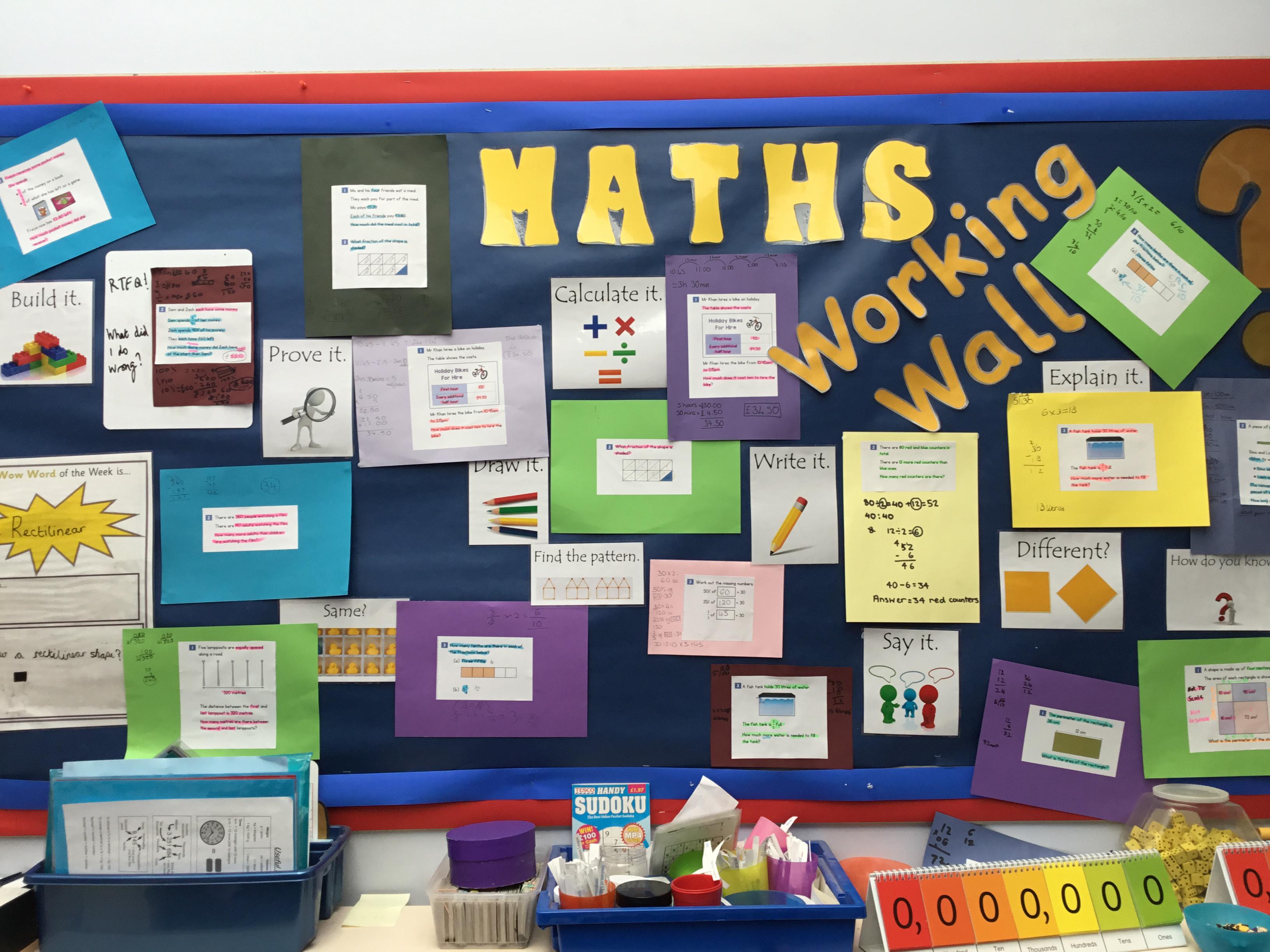
Maths Intent
At The Vine, we aim for all children to have a secure understanding of the basic skills of Mathematics so that they can access all learning at their level. We will equip pupils with the confidence and skills needed to solve mathematical problems in the classroom and a real-life context.
|
The focus of fluency, reasoning and problem-solving provides children with a repertoire of skills to enable them to use and apply efficient methods of calculation. To show children that Maths is important in all aspects of everyday life, we develop children’s understanding through an active, hands-on approach which encourages enthusiastic learners. Children can then take these skills and use them in all areas of the curriculum.
Implementation - Maths No Problem |
Maths at The Vine equips pupils with the confidence and skills needed to solve mathematical problems in the classroom and a real life context. The focus of fluency, reasoning and problem solving provides children with a repertoire of skills to enable them to use and apply efficient methods of calculation.
To support the teaching of Maths, we follow the Maths No Problem scheme. This develops the children's understanding through an active, hands on approach which encourages enthusiastic learners. They are taught using the CPA (concrete, pictorial, abstract) approach which equips all children with the skills necessary to access their learning.
Each Maths lesson follows a similar structure beginning with an ‘Explore’ task. This part of the lesson is unassisted and gives pupils the opportunity to draw on and use existing knowledge to tackle a new problem. An opportunity is given for pupils to share what they have found out, supporting their answers with a mixture of physical resources, pictorial representations and written calculations.
The next part of the lesson is the ‘Master’ section. This is where the teacher will introduce and teach either a new method or concept or build on prior learning.
After this, pupils are given a chance to practice this new learning through the ‘Guided Practice’ section. This is done in partners or small groups to support and consolidate the new learning.
The lesson finishes with an ‘Independent Practice’ task completed in workbooks. This is the opportunity for pupils to demonstrate this new learning independently without the support of a peer.
Mastering Number
Children in Reception, Year 1 and Year 2 follow Mastering Number. This aims to secure firm foundations in the development of good number sense for all children. Children will leave KS1 with fluency in calculation and a confidence and flexibility with number. Attention will be given to key knowledge and understanding needed in Reception classes, and progression through KS1 to support success in the future. Mastering Number is taught in addition to Maths No Problem in Year 1 and 2 and makes up the Maths curriculum for those in Reception.
Core Knowledge
Children in Key Stage 2 will follow a core knowledge curriculum in addtion to their daily Maths lessons.
|
Maths and The Vine Vision Maths at The Vine can bring moments of wonder and pleasure when a link is discovered, when a problem is solved or when a more efficient method is mastered. The explore section of Maths No Problem encourages working together to make us stronger mathematicians (many hearts make a school). Contentment and peace are part of the structure of Maths learning; contentment as children learn that slow, steady and progressive hard work will lead to developing a secure and deep understanding of Maths. Peace as Maths requires logical thinking and methodical practise embodying ‘good order’. |
British Values and SMSC
Maths shows the Christian values of patience and perseverance. Maths allows all children to experience new concepts which will need patience and perseverance to achieve and understand.
Children develop social skills through working together with a partner, in small groups or as a whole class especially in the area of problem solving
Maths enables pupils to develop their self-knowledge, self-esteem and self-confidence by actively ‘having a go’ even when it is new or tricky.
It encourages respect for other people as children are required to listen as others share their Maths thinking.