
Forest School
Forest school nurtures the relationship between the learner and the natural world in many ways. The six core principles of Forest school are interwoven and when implemented create an outdoor education process that is holistic, and learner led. With it normally taking place in a natural wooded environment allowing for learners to develop a lifelong relationship with the natural world.
There are 6 Forest School principles that have been set out by the Forest School association. These principles underpin all activities that are undertaken during Forest School sessions: -
1 – A long-term process of frequent and regular sessions allowing children to revisit learning, explore at their own pace, create new relationships, feel comfortable to take risks and practice new skills.
2 – Takes place in the woodland or natural environment allows children to connect with and value nature, provide a space to relax and de-stress, find new rich learning opportunities, and opportunity to build with natural resources.
3 – Promotes holistic development allowing children to develop their confidence, independence, self-regulation, and resilience. Promoting holistic development gives children the space to develop socially, physically, emotionally, spiritually and intellectually.
4 – Offering learners the opportunity to take supported risks, appropriate to the environment and themselves helps children overcome vulnerabilities and fears, builds resilience, explore own abilities, learn to assess risk for themselves, try new things, and challenge themselves.
5 – Run by qualified Forest School practitioners, qualifies and reflective leaders help children by providing support not solutions, model behaviour and communications, promote opportunities for learning and observe their individual needs and motivations.
6 – Using a range of learner centred processes to create a community for development and learning, this allows children to take control of their learning, explore their motivations, gain confidence and experiences, problem solve, increase curiosity, and learn what they need to learn.
The Vine Forest School believes that the Forest School ethos nurtures and fosters resilience, creativity, confidence, and independence in all learners and that all learners deserve an equal chance to be part of the programme.
Clothing for Forest School
The Vine Forest School enjoys all types of weather and sees opportunities for play and learning in them. However, to remain comfortable in sessions when the weather is inclement it is important that we are wearing the correct clothing.
When it is wet and muddy children should have waterproof clothing such as a waterproof coat and waterproof trousers or an all-in-one puddle suit that is large enough to fit over clothing and wellington boots.
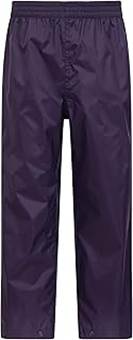
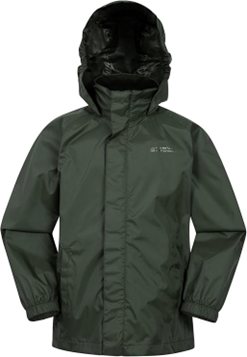

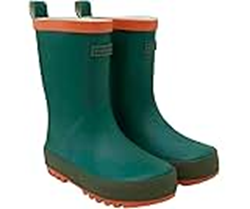
When it cold your child will need the additional items of hat, scarf, gloves, and thick socks to go inside wellington boots. If the weather is very cold, then an extra thin base layer is also a good idea under their usual P.E kit.
When the weather is hot it is still important that legs and arms covered this allows the children the freedom to continue climbing and helps against biting insects. Children should wear long sleeved cotton tops and trousers for Forest school as well as wearing sensible closed shoes such as trainers.
All children should bring a change of clothes to school on Forest school days in case they become wet or muddy.